


Enhancing Interior Spaces for Older Adults
Designing for Accessibility
As the global population ages, interior design is increasingly evolving to meet the specific needs of older adults. Creating accessible environments not only improves mobility and safety but also supports independence and quality of life. Thoughtful design decisions can allow individuals to remain in their homes longer, reducing the need for assisted living or care facilities. Here are key features that play a crucial role in designing spaces that are both functional and aesthetically pleasing for older adults.

1. Non-Slip Flooring: Safety Starts from the Ground Up
Falls are a leading cause of injury among seniors, making floor safety a top priority. Designers should avoid glossy tiles or highly polished wood, which can become slippery when wet. Instead, opt for:
-
Textured vinyl or linoleum: These materials offer both traction and ease of maintenance.
-
Low-pile carpeting: A safe, soft option that minimizes tripping hazards compared to area rugs.
-
Matte-finished tiles: For bathrooms and kitchens, these tiles reduce slip risk without compromising on style.
2. Wider Doorways and Hallways: Accommodating Mobility Devices
To ensure accessibility for individuals using walkers, canes, or wheelchairs, doorways should be at least 36 inches wide, with hallways ideally 42 inches or wider. This modification supports easy navigation and enhances overall flow throughout the home.
Features to consider:
-
Pocket or sliding doors: These eliminate the swing clearance of traditional doors, saving space and simplifying movement.
-
Threshold-free entries: Zero-step entrances and flush flooring transitions reduce tripping risks and facilitate wheelchair access.

3. Lever-Style Door Handles and Hardware: Promoting Dexterity
Traditional round doorknobs can be difficult for individuals with arthritis or limited grip strength. Lever-style handles, which require minimal force and wrist rotation, are a more ergonomic alternative.
Additional accessible hardware includes:
-
Touchless faucets and motion-sensor lighting: These reduce physical effort while enhancing safety.
-
D-shaped cabinet pulls: Easier to grasp than small knobs, especially for those with limited dexterity.
4. Additional Accessibility Enhancements
Beyond the core elements, a fully accessible space integrates a range of supportive features:
-
Adjustable-height countertops and workspaces: Useful in kitchens and home offices to accommodate different mobility levels.
-
Well-placed lighting: Ample, glare-free illumination helps prevent falls and improves visibility. Use task lighting under cabinets and install nightlights in hallways and bathrooms.
-
Grab bars in bathrooms: Strategically placed in showers, next to toilets, and bathtubs for balance and support.
-
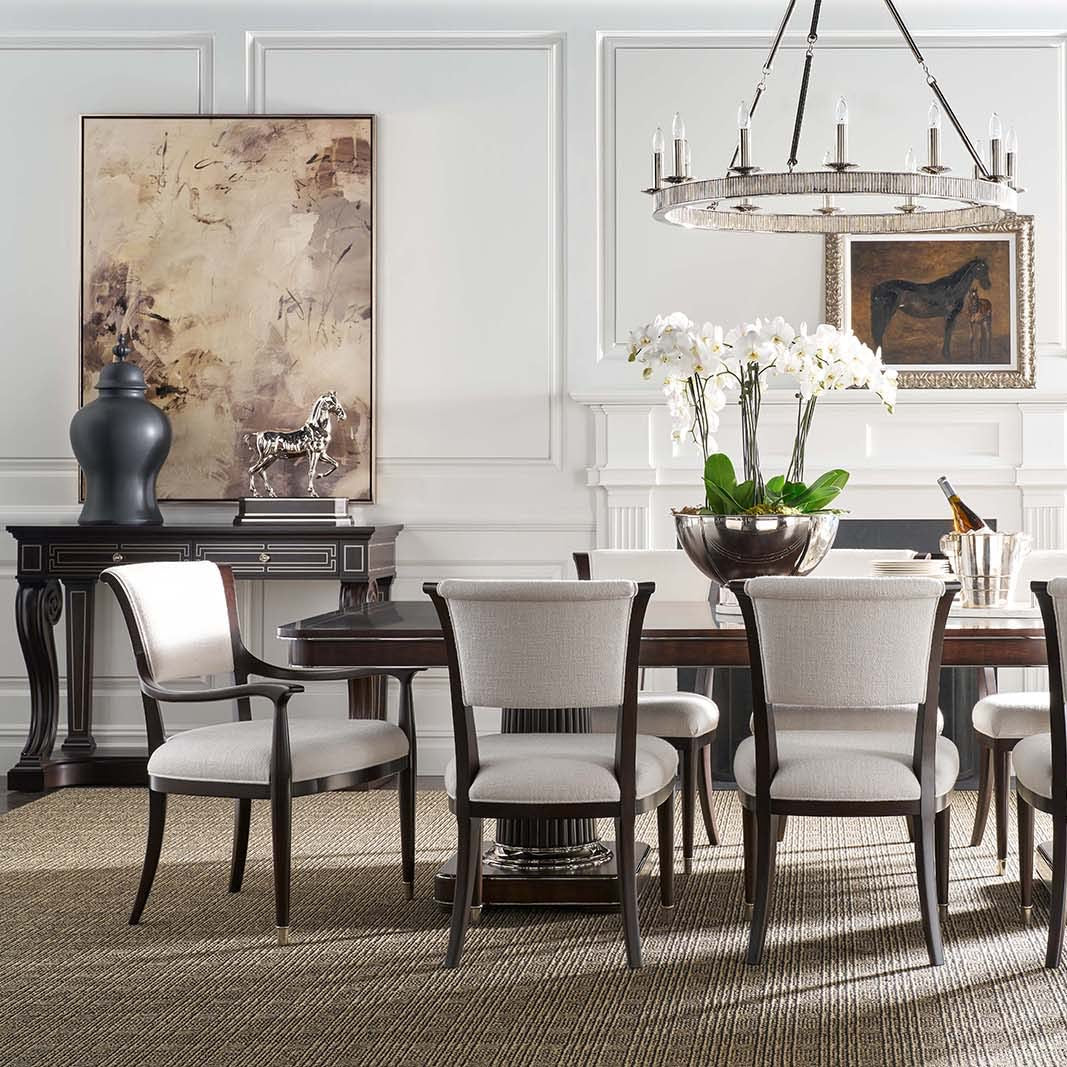
Seating with armrests and appropriate height: Chairs and sofas that are too low can be difficult to get in and out of. Furniture should support both comfort and ease of movement.

Conclusion
Designing for accessibility is a proactive and compassionate approach to interior design that enhances autonomy, safety, and comfort for older adults. By incorporating thoughtful elements like non-slip flooring, wider doorways, and lever-style hardware, designers can create environments that allow individuals to age gracefully in place—without sacrificing aesthetics or function. As the demand for accessible housing grows, inclusive design will continue to shape the future of interiors.

Leave a comment