


What Lighting Do Interior Designers Use in Luxury Homes?
If you've ever walked into a luxury home and immediately felt that the space looked expensive, inviting, and beautifully designed, there's a good chance the lighting had something to do with it.
One of the biggest misconceptions homeowners have is that luxury interiors are created primarily through furniture, finishes, or decor. While those elements certainly matter, interior designers often say that lighting is what truly transforms a house into a luxury home.
So, what lighting do interior designers use in luxury homes?
The answer is not a single fixture or style. Instead, designers rely on a layered lighting strategy that combines statement chandeliers, architectural lighting, picture lights, portable lamps, and carefully planned illumination throughout the home.
Here's how professional designers create luxury lighting schemes that make homes feel elevated, sophisticated, and timeless.
The Secret: Layered Lighting
The most important principle in luxury lighting design is layering.
Rather than relying on a single ceiling fixture, designers use multiple light sources to create depth, warmth, and flexibility.
Think of lighting as similar to furnishing a room. Just as you wouldn't expect one chair to complete a living room, one light fixture rarely creates a luxury atmosphere.

The Three Layers of Luxury Lighting
1. Ambient Lighting
Ambient lighting provides overall illumination for a room.
Examples include:
This layer establishes the foundation of the room's lighting plan.
2. Task Lighting
Task lighting serves a functional purpose.
Examples include:
These fixtures improve visibility while contributing to the room's overall design.
3. Accent Lighting
Accent lighting adds drama and highlights architectural features.
Examples include:
This layer is often what separates a professionally designed space from an average one.
The most luxurious homes use all three layers simultaneously.

Statement Chandeliers Remain a Designer Favorite
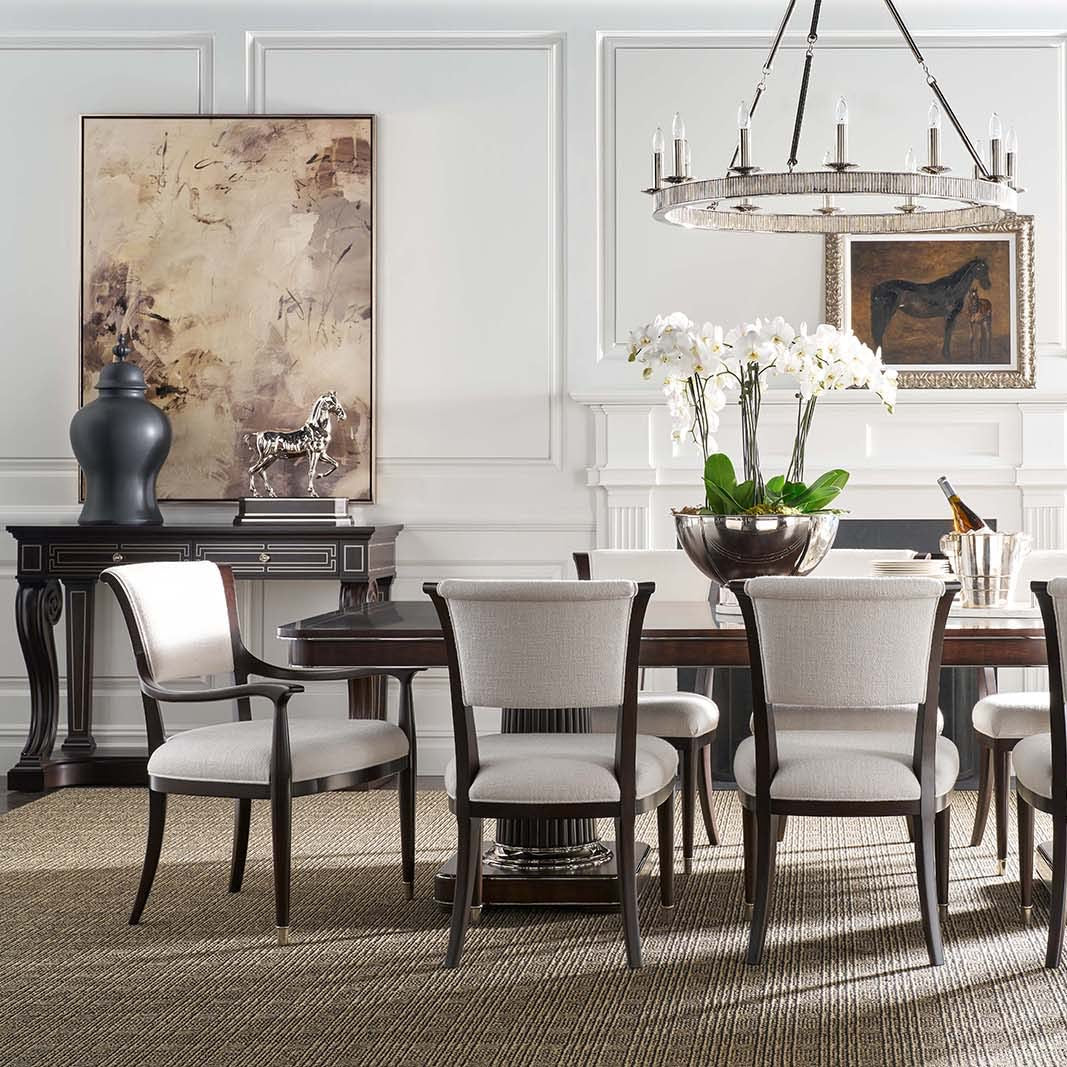
If there is one lighting element that instantly communicates luxury, it's a statement chandelier.
Interior designers often treat chandeliers as functional sculptures rather than simple light fixtures.
Today's luxury chandeliers are far more diverse than traditional crystal designs.
Popular Chandelier Styles in Luxury Homes
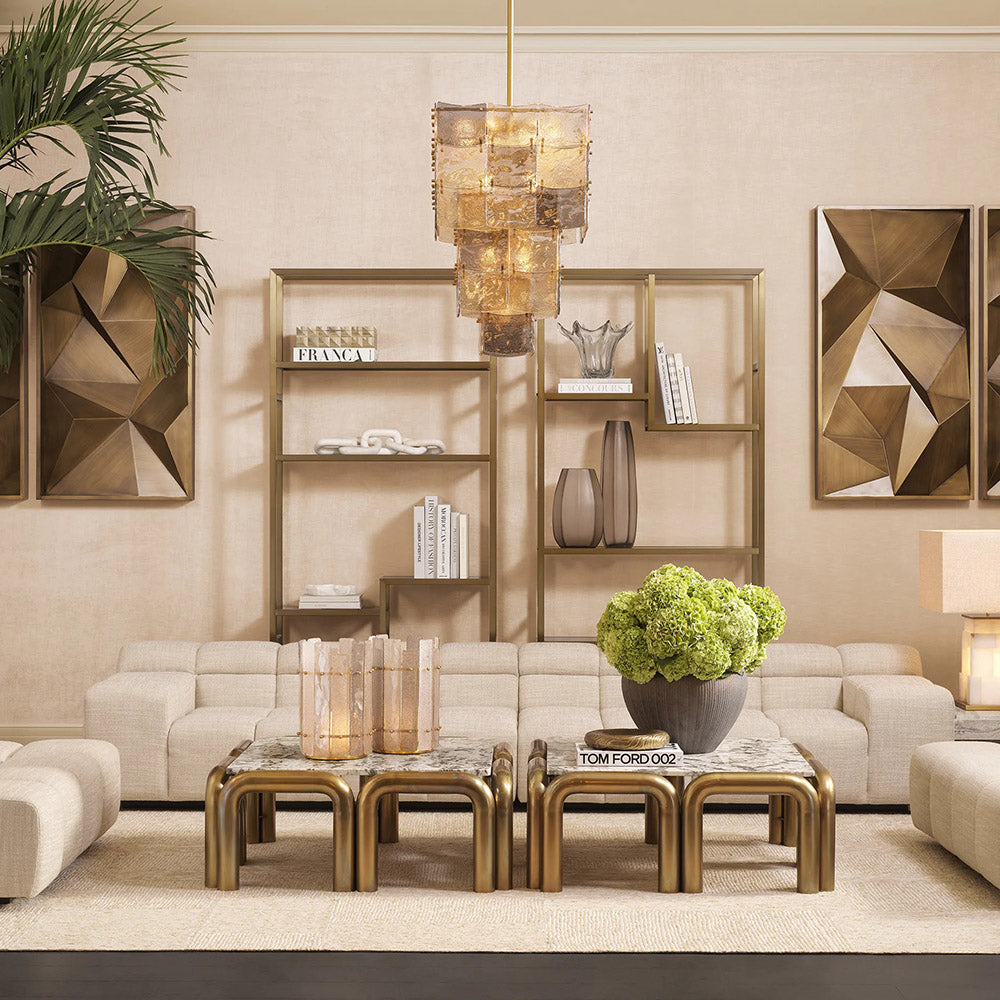
Sculptural Chandeliers
These artistic fixtures feature organic forms, asymmetrical shapes, and architectural silhouettes.
They're particularly popular in:
- Manhattan penthouses
- Contemporary homes
- Luxury condominiums
Modern Brass Chandeliers
Warm metallic finishes continue to dominate luxury interiors.
Brass adds sophistication while complementing organic modern and warm minimalist design styles.
Oversized Chandeliers
One trend gaining momentum among luxury homeowners is scaling up.
Designers are increasingly choosing larger fixtures that command attention and anchor a room visually.
Common locations include:
- Dining rooms
- Double-height entryways
- Living rooms
- Stairwells
A properly scaled chandelier often becomes the focal point of the entire space.

Why Designers Love Picture Lights
Picture lights are one of the most overlooked luxury lighting tools.
Many homeowners focus on general room lighting while forgetting that artwork deserves dedicated illumination.
Luxury interior designers frequently use picture lights to create a gallery-like atmosphere.
What Are Picture Lights?
Picture lights are mounted above artwork, mirrors, or decorative wall features.
They provide focused illumination that highlights texture, color, and detail.
Benefits include:
- Enhancing artwork visibility
- Creating visual drama
- Adding architectural character
- Improving evening ambiance
Picture lights are particularly popular in:
- Formal living rooms
- Libraries
- Hallways
- Dining rooms
- Home offices
Even a relatively simple piece of artwork can feel museum-worthy when paired with professional lighting.

Portable Lamps Are Essential in Luxury Interiors
One of the biggest mistakes homeowners make is relying entirely on ceiling fixtures.
Interior designers know that portable lighting is what makes rooms feel warm, inviting, and lived in.
Table lamps and floor lamps create pools of light throughout a room, preventing spaces from feeling flat or overly bright.
Table Lamps
Luxury designers use table lamps to:
- Create mood lighting
- Add visual balance
- Highlight furniture arrangements
- Introduce decorative materials
Popular materials include:
- Marble
- Ceramic
- Brass
- Glass
- Stone
Many designers treat table lamps as decorative objects even when they're not turned on.
Floor Lamps
Floor lamps help define seating areas and create cozy corners.
They're particularly useful in:
- Living rooms
- Reading nooks
- Bedrooms
- Home offices
In luxury homes, floor lamps often feature sculptural silhouettes that contribute to the room's design aesthetic.

Luxury Homes Prioritize Warm Light
The quality of light matters just as much as the fixture itself.
Many luxury designers prefer warm lighting because it creates a welcoming atmosphere and flatters materials, furnishings, and people.
Cool, overly bright lighting can make even expensive interiors feel sterile.
Recommended Color Temperatures
Most designers use:
- 2700K for living spaces
- 2700K–3000K for bedrooms
- 3000K for kitchens and bathrooms
This range creates the warm glow commonly associated with luxury hotels and high-end residences.
Lighting Is Becoming More Architectural
Another major trend in luxury homes is architectural lighting.
Rather than simply adding decorative fixtures, designers are integrating lighting into the architecture itself.
Examples include:
- Cove lighting
- Backlit shelving
- Illuminated niches
- Stair lighting
- Hidden LED details
These subtle lighting elements add sophistication without drawing attention to themselves.
The effect is understated but incredibly impactful.
How Luxury Designers Light Specific Rooms
Living Room
Luxury living rooms often include:
- A statement chandelier or pendant
- Table lamps on side tables
- Floor lamps near seating
- Accent lighting for artwork
Dining Room
Dining rooms typically feature:
- Oversized chandeliers
- Decorative sconces
- Accent lighting for artwork or architectural features
Bedroom
Bedrooms benefit from:
- Bedside lamps
- Reading sconces
- Soft ambient lighting
- Decorative accent fixtures
Home Office
Luxury home offices frequently include:
- Desk lamps
- Picture lights
- Ambient ceiling lighting
- Decorative floor lamps
Each layer contributes to both function and atmosphere.
Common Luxury Lighting Mistakes to Avoid
Even expensive homes can suffer from poor lighting design.
Interior designers commonly avoid:
Using Only Overhead Lighting
This creates harsh shadows and a flat appearance.
Choosing Fixtures That Are Too Small
Undersized lighting often makes rooms feel unfinished.
Ignoring Dimmers
Dimmers allow homeowners to adjust lighting throughout the day and are considered essential in luxury homes.
Forgetting Accent Lighting
Without accent lighting, rooms can lack depth and visual interest.

Final Thoughts
So, what lighting do interior designers use in luxury homes?
The answer is a thoughtful combination of layered lighting, statement chandeliers, picture lights, portable lamps, and architectural illumination.
Luxury lighting is not about having the brightest fixtures or the most expensive chandelier. It's about creating depth, atmosphere, and balance throughout the home.
By layering light sources, highlighting artwork, incorporating decorative lamps, and investing in statement fixtures, homeowners can achieve the sophisticated look that defines today's most beautiful interiors.
Whether you're furnishing a Manhattan apartment, a Connecticut estate, or a Hamptons retreat, thoughtful lighting choices can dramatically elevate your home's design and create the warm, luxurious atmosphere that professional interior designers strive to achieve.

Leave a comment